
Empowering Innovators in Computing, Software Development & Emerging Technologies
The Department of Master of Computer Applications (MCA) is dedicated to shaping future-ready IT professionals with strong analytical skills, programming expertise, and industry-oriented knowledge. MCA is a prestigious postgraduate program that blends theory, practice, and innovation to produce highly capable software professionals, system analysts, data engineers, and IT solution developers.
With state-of-the-art computing facilities, experienced faculty, industry-driven curriculum, and an innovation-centric environment, the department provides an excellent platform for students to excel in the fast-evolving field of computer applications.
To become a centre of excellence in computer education and research by nurturing competent IT professionals capable of contributing to technological advancement and societal development.
The MCA curriculum blends core computer science principles with modern technologies:
The curriculum emphasizes practical learning and real-world project development.
The department is led by highly qualified and dedicated faculty members specializing in advanced computing, AI/ML, data sciences, cloud technologies, and software engineering. Faculty members actively engage in industry collaborations, research, and student mentoring.
Well-equipped computer labs:
Learning resources
Students undertake innovative and industry-oriented projects in areas such as:
Regular programs are organized to enhance industry readiness:
Faculty and students collaborate on research in:
Research papers are regularly published in reputed journals and conferences.
Industry Interaction
Career Opportunities for MCA Graduates
MCA graduates excel in diverse IT career paths:
The program ensures students are job-ready for the IT industry, government organizations, research labs, and startup ecosystem.

| Sl.No | Branch | Convenor | Management | Total |
|---|---|---|---|---|
| 1 | MCA | 42 | 18 | 60 |
Degree in Engineering / Technology / Commerce / Banking / Business Administration / Computer Application / Science with Mathematics as one of the subjects.
Any degree with a PG Diploma in Computer Science / Computer Application of minimum of 1-year duration of recognized University.
Any degree with a PG Diploma in Computer Science / Computer Application of minimum of 1-year duration of recognized University.
Admission into various programmes of Sri Chaitanya Institute of Technology and Research(SCIT), Khammam is done through Common Entrance Tests conducted by Telangana State Council of Higher Education, Hyderabad.
The Department of Master of Computer Applications (MCA) is supported by a team of highly qualified, experienced, and dedicated faculty members who are committed to imparting strong technical knowledge, programming skills, and industry-oriented learning. The faculty play a crucial role in shaping students into competent IT professionals capable of meeting the demands of the rapidly evolving software and technology sectors.
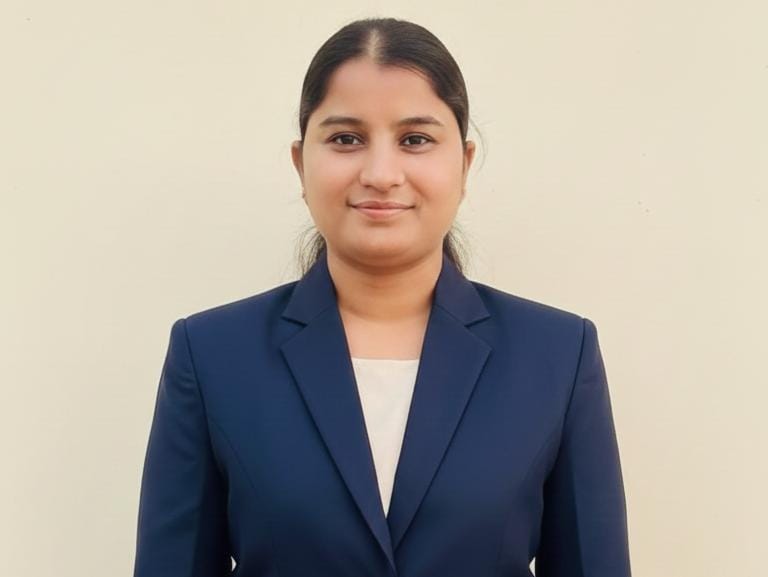
+1234 567 890
sri@chaitanya.com
ASST.PROF
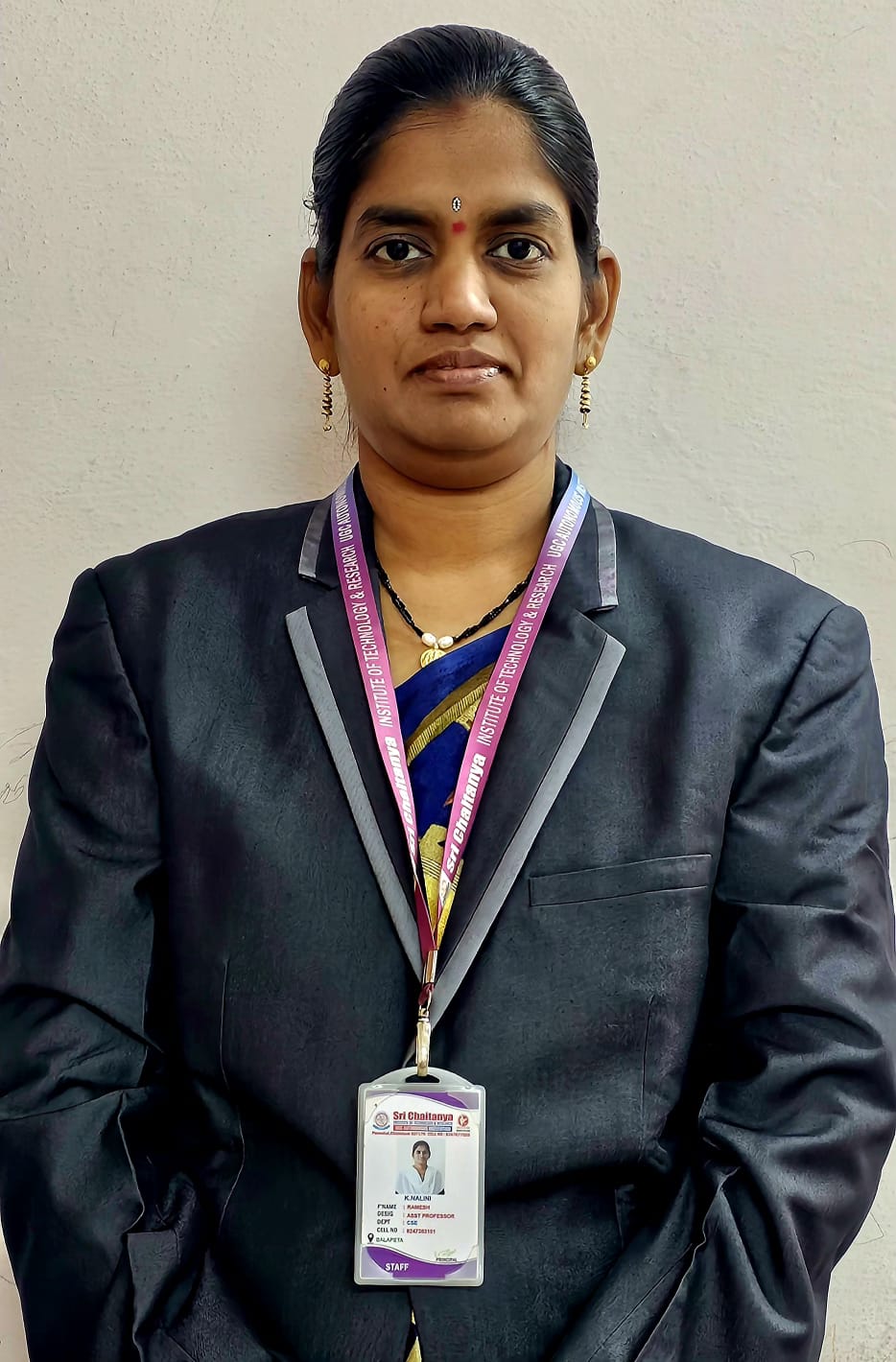
+1234 567 890
sri@chaitanya.com
ASST.PROF
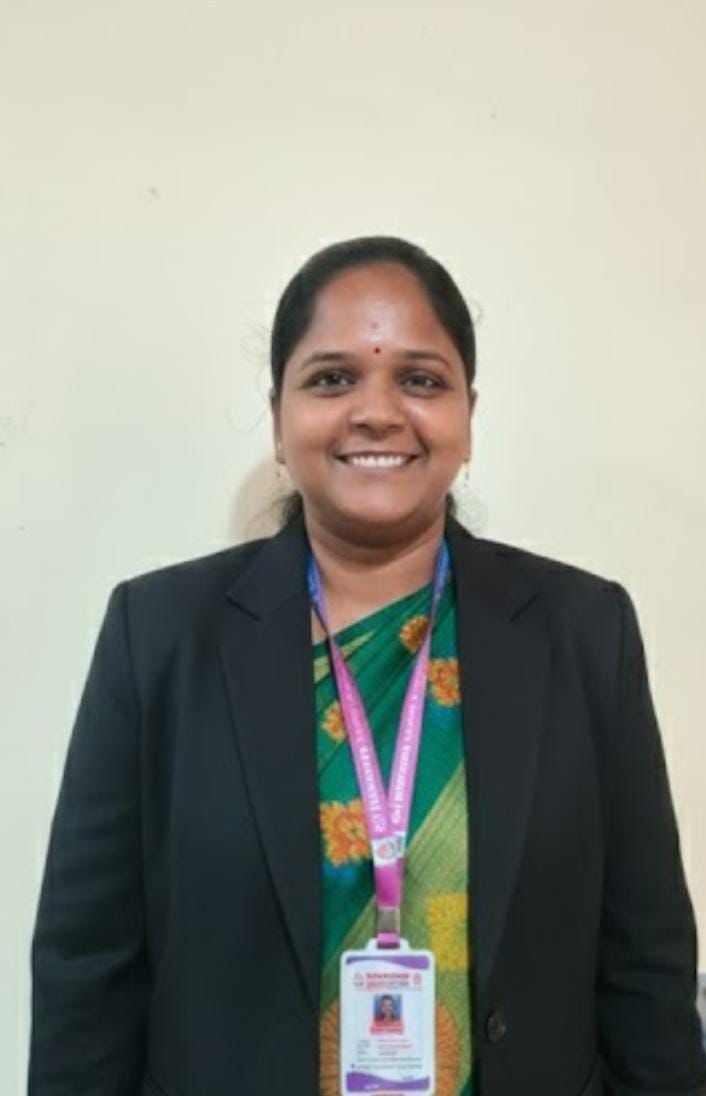
+1234 567 890
sri@chaitanya.com
ASST.PROF

+1234 567 890
sri@chaitanya.com
ASST.PROF

The MCA department provides well-equipped labs to enhance students' practical knowledge of software development and IT infrastructure. Labs include:
Objectives, Outcomes & Competencies
To prepare postgraduates with a strong foundation in computer science, programming, mathematics, and analytical thinking necessary to solve complex computational and business problems.
To develop skilled professionals capable of designing, developing, testing, and deploying software solutions using modern tools, technologies, and best practices.
To cultivate professional ethics, integrity, and responsible use of computing technologies for societal well-being and sustainable development.
To enable graduates to work effectively as individuals or in teams, lead projects, and communicate technical information clearly in multidisciplinary environments.
To encourage continuous learning, higher studies, research orientation, and adaptability to emerging technologies in computing and digital transformation.
Apply knowledge of computing fundamentals, mathematics, and domain-specific concepts to solve complex computing problems.
Identify, formulate, and analyze computing problems using algorithmic, logical, and analytical thinking.
Design, develop, and evaluate software systems, applications, and processes that meet user requirements with appropriate consideration for societal needs.
Use research-based methods including data analysis, experimentation, and interpretation to reach valid conclusions and improve system performance.
Utilize modern tools, frameworks, programming languages, and platforms to develop efficient and scalable software solutions.
Apply ethical principles and professional responsibilities in computing practices, data handling, and software development.
Understand the impact of computing solutions on the environment and promote energy-efficient and sustainable digital practices.
Function effectively as an individual, member, or leader in diverse and multidisciplinary teams.
Communicate effectively through technical documentation, reports, presentations, and interactions with stakeholders.
Apply project management principles and financial considerations in planning, estimating, executing, and managing software and IT projects.
Recognize the need for lifelong learning and engage in continuous professional development, certifications, and higher studies.
Demonstrate entrepreneurial skills and innovative thinking to develop new solutions, products, or services in the IT industry.
Ability to design, code, test, and deploy applications using modern programming languages, tools, and software engineering practices.
Ability to analyze, manage, and process data using databases, analytics tools, and machine learning techniques to develop intelligent solutions.
Ability to configure, manage, and deploy applications on cloud platforms and handle system/network administration tasks.
Ability to apply computing knowledge to deliver effective IT solutions, adapt to industry trends, and excel in professional roles.