
Empowering the Next Generation of Innovators, Problem-Solvers, and Technology Leaders
The Department of Computer Science & Engineering is a premier academic centre committed to nurturing skilled professionals in core computing, software development, data engineering, and intelligent digital technologies. With a strong foundation in theoretical concepts and extensive practical exposure, the department prepares students to meet global industry challenges with innovation, adaptability, and technical excellence.
Equipped with modern labs, industry-driven curriculum, and experienced faculty, the department fosters a vibrant environment for learning, research, and career growth.
To be a centre of excellence in Computer Science & Engineering education, research, and innovation, producing globally competitive professionals dedicated to technological advancement and societal progress.
A comprehensive syllabus covering foundational and advanced computing domains:
The curriculum emphasizes hands-on coding, project-based learning, and practical implementation.
The department comprises experienced academicians and industry experts with specialization in:
Faculty members actively engage in research, publications, and technical events.
Modern computing facilities equipped with advanced hardware & software platforms:
Students gain real-world experience through mini-projects and skill-based learning modules.
Students develop innovative applications and systems such as:
The department regularly organizes:
Students and faculty participate in research areas such as:
Research clubs and forums motivate students to publish papers and participate in conferences.
Smart classrooms with ICT tools enable interactive teaching.
Access to textbooks, reference materials, and e-resources.
Graduates of CSE can pursue careers in:
Opportunities are abundant in IT companies, software firms, startups, R&D organisations, and multinational corporations.

| Sl.No | Branch | Convenor | Management | Total |
|---|---|---|---|---|
| 1 | CSE | 126 | 54 | 180 |
Degree in Engineering / Technology / Commerce / Banking / Business Administration / Computer Application / Science with Mathematics as one of the subjects.
Any degree with a PG Diploma in Computer Science / Computer Application of minimum of 1-year duration of recognized University.
Any degree with a PG Diploma in Computer Science / Computer Application of minimum of 1-year duration of recognized University.
Admission into various programmes of Sri Chaitanya Institute of Technology and Research(SCIT), Khammam is done through Common Entrance Tests conducted by Telangana State Council of Higher Education, Hyderabad.
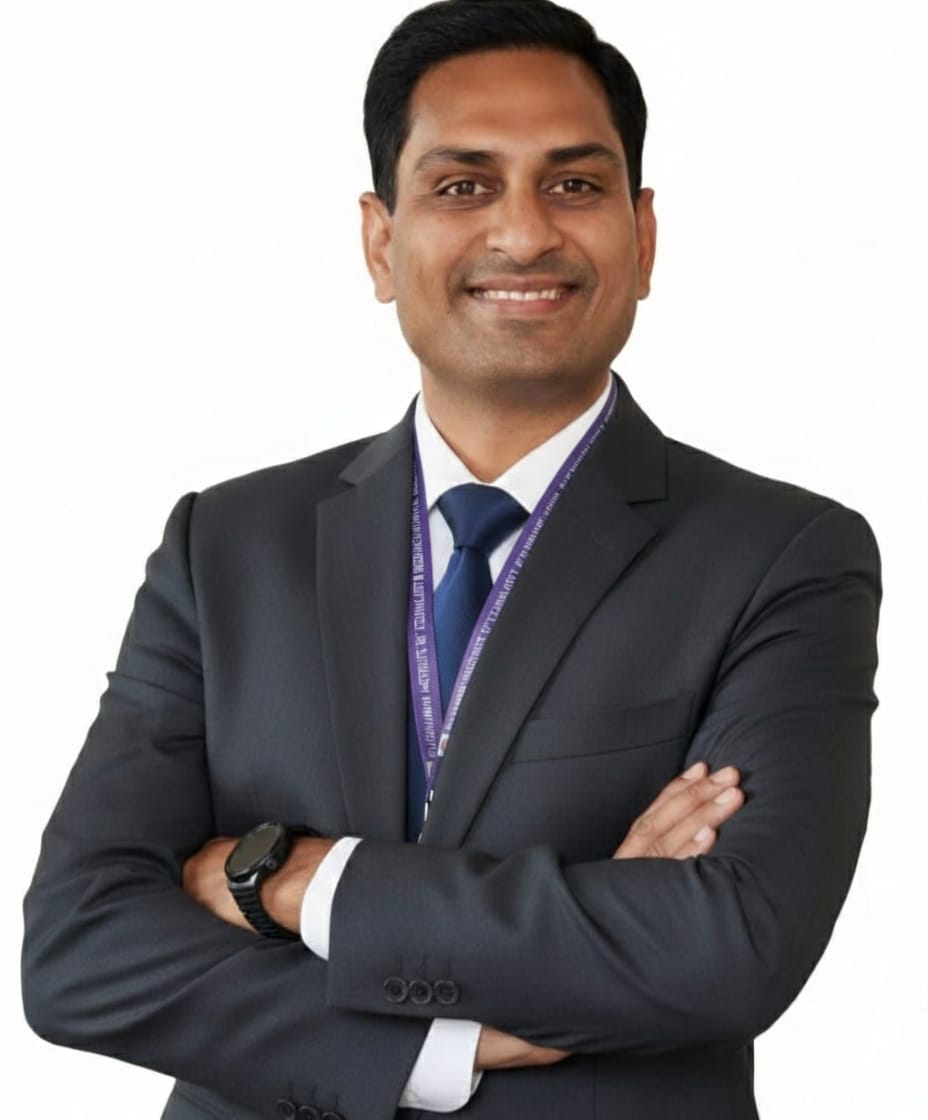
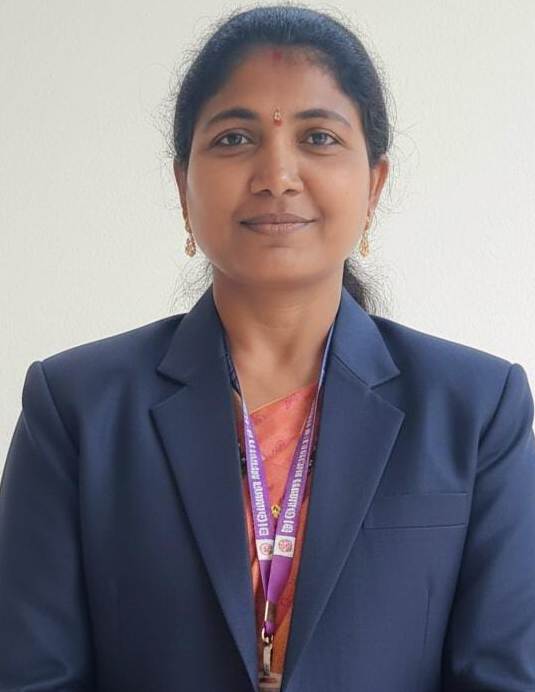
The Department of Computer Science and Engineering (CSE) is powered by a highly qualified, experienced, and dedicated team of faculty members committed to delivering quality technical education and fostering an environment of innovation, research, and skill development. The faculty expertise spans all major areas of computing, enabling students to build strong foundations and excel in industry-ready careers.

+1234 567 890
sri@chaitanya.com
DEAN & PROF

+1234 567 890
sri@chaitanya.com
ASSOC.PROF
+1234 567 890
sri@chaitanya.com
ASSOC.PROF
+1234 567 890
sri@chaitanya.com
ASSOC.PROF

The CSE department is equipped with high-performance computing facilities to support learning in programming, networking, and software development. Labs include:
Objectives, Outcomes & Competencies
To produce graduates with strong foundational knowledge in computer science, programming, algorithms, data structures, operating systems, databases, and emerging technologies to excel in industry, academia, or research.
To develop analytical and problem-solving abilities that enable graduates to design innovative, efficient, and scalable computing solutions for real-world challenges.
To instill professional, ethical, and social responsibility, enabling graduates to contribute positively to society and uphold integrity in all professional endeavors.
To prepare graduates with communication skills, teamwork abilities, and leadership qualities to function effectively in interdisciplinary environments.
To encourage continuous learning, adaptability to technological advancements, and pursuit of higher studies, research, or professional certifications.
Apply knowledge of mathematics, science, and computer science engineering fundamentals to solve complex computing problems.
Identify, review, and analyze computing problems using scientific principles and appropriate tools.
Design efficient software systems, algorithms, and data-driven solutions that meet user requirements and societal needs.
Use research-based methods such as experiment design, data analysis, and synthesis of information to reach valid conclusions.
Select and apply modern computing tools, software frameworks, development environments, and platforms for modeling, simulation, and system development.
Apply contextual knowledge to assess societal, legal, and cultural issues relevant to computer science applications.
Understand the environmental impact of computing technologies and apply sustainable design and development practices.
Apply ethical principles and commit to professional and ethical responsibilities in software development and computing practices.
Function effectively as an individual, team member, or leader in multidisciplinary teams.
Communicate effectively through documentation, presentations, and interactions with technical and non-technical audiences.
Apply engineering and management knowledge to handle projects, budgets, timelines, and software development life cycles.
Recognize the need for lifelong learning and engage in continuous professional development through emerging technologies and certifications.
Ability to design, develop, test, and deploy software applications using modern programming languages, development tools, and methodologies.
Ability to apply computational techniques, algorithms, data analytics, machine learning, and AI concepts to develop intelligent systems and data-driven solutions.
Ability to understand, analyze, and manage computer systems, networks, cloud infrastructures, cyber security practices, and distributed environments.
Ability to apply theoretical knowledge and practical exposure to solve real-world challenges through internships, projects, and industry-oriented training.