
Building the Future with Innovation, Integrity, and Excellence
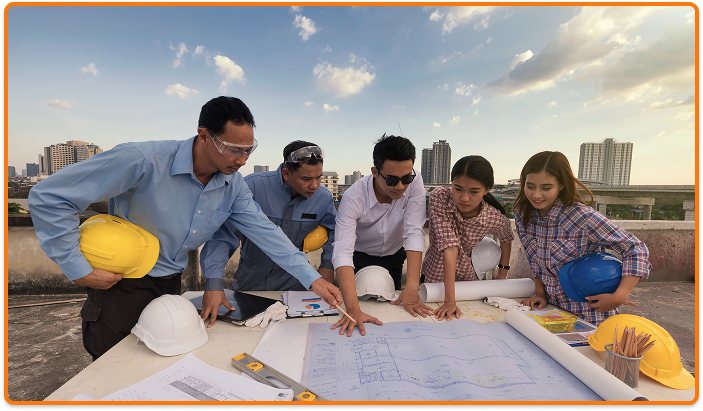
The Department of Civil Engineering stands as one of the core pillars of the institution, dedicated to shaping competent civil engineers equipped with strong technical expertise, professional ethics, and a commitment to sustainable development. Established with the mission of imparting high-quality engineering education, the department continuously evolves to meet the ever-growing demands of modern infrastructure and global industry standards.
To emerge as a centre of excellence in Civil Engineering education and research, producing competent professionals committed to societal development and sustainable engineering practices.
The department follows a robust and outcome-based curriculum aligned with university guidelines and the National Education Policy (NEP). The syllabus emphasizes both theoretical knowledge and practical exposure through laboratories, fieldwork, and project-based learning.
A team of highly qualified and experienced faculty members, including professors, associate professors, and assistant professors, guide students through effective teaching, mentoring, and research supervision.
State-of-the-art laboratories help students gain hands-on experience and bridge the gap between theory and practice:
The department actively collaborates with construction companies, government departments, consultancy firms, and research organizations to provide students with:
Final-year and mini-projects focus on real-time engineering issues, innovative solutions, and emerging technologies such as smart materials, sustainable construction, water resource management, and disaster mitigation.
Regular FDPs, workshops, software training programs (AutoCAD, STAAD Pro, Revit, MATLAB, GIS), and technical competitions enhance students' competencies.
The department encourages students and faculty to engage in research, publish papers in reputed journals, and participate in conferences and workshops.
Civil Engineering graduates can pursue careers in diverse fields:
| Sl.No | Branch | Convenor | Management | Total |
|---|---|---|---|---|
| 1 | CIVIL | 21 | 09 | 30 |
Degree in Engineering / Technology / Commerce / Banking / Business Administration / Computer Application / Science with Mathematics as one of the subjects.
Any degree with a PG Diploma in Computer Science / Computer Application of minimum of 1-year duration of recognized University.
Admission into various programmes of Sri Chaitanya Institute of Technology and Research(SCIT), Khammam is done through Common Entrance Tests conducted by Telangana State Council of Higher Education, Hyderabad.
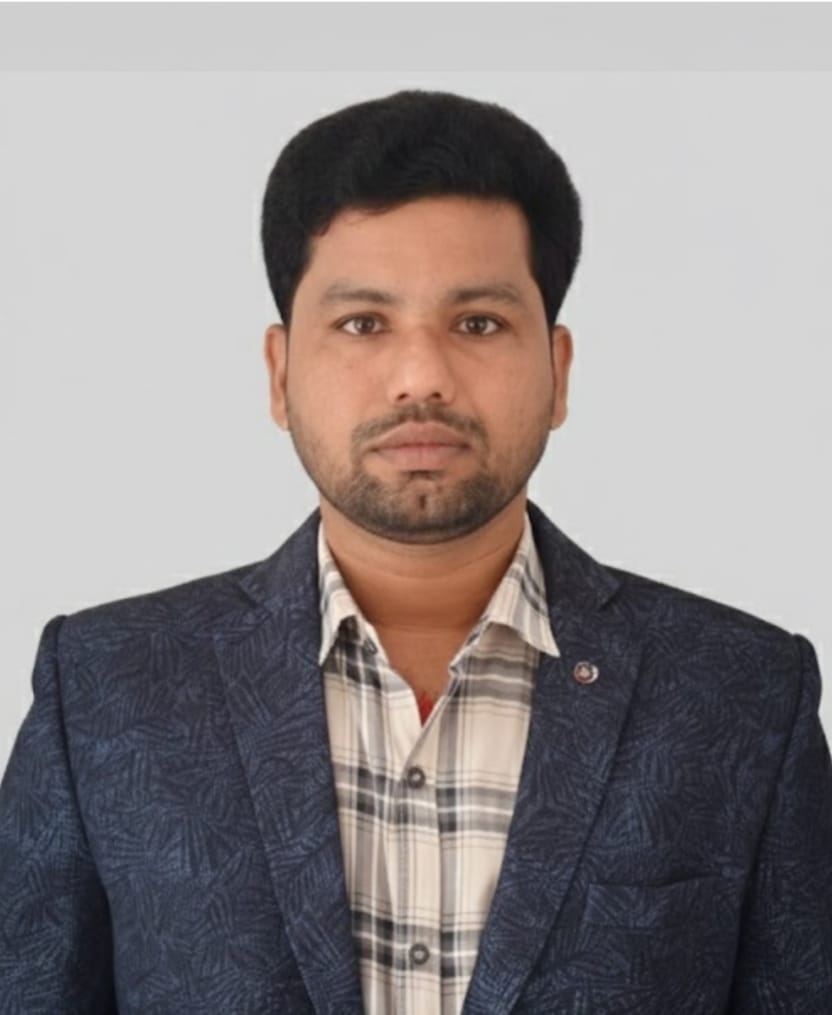
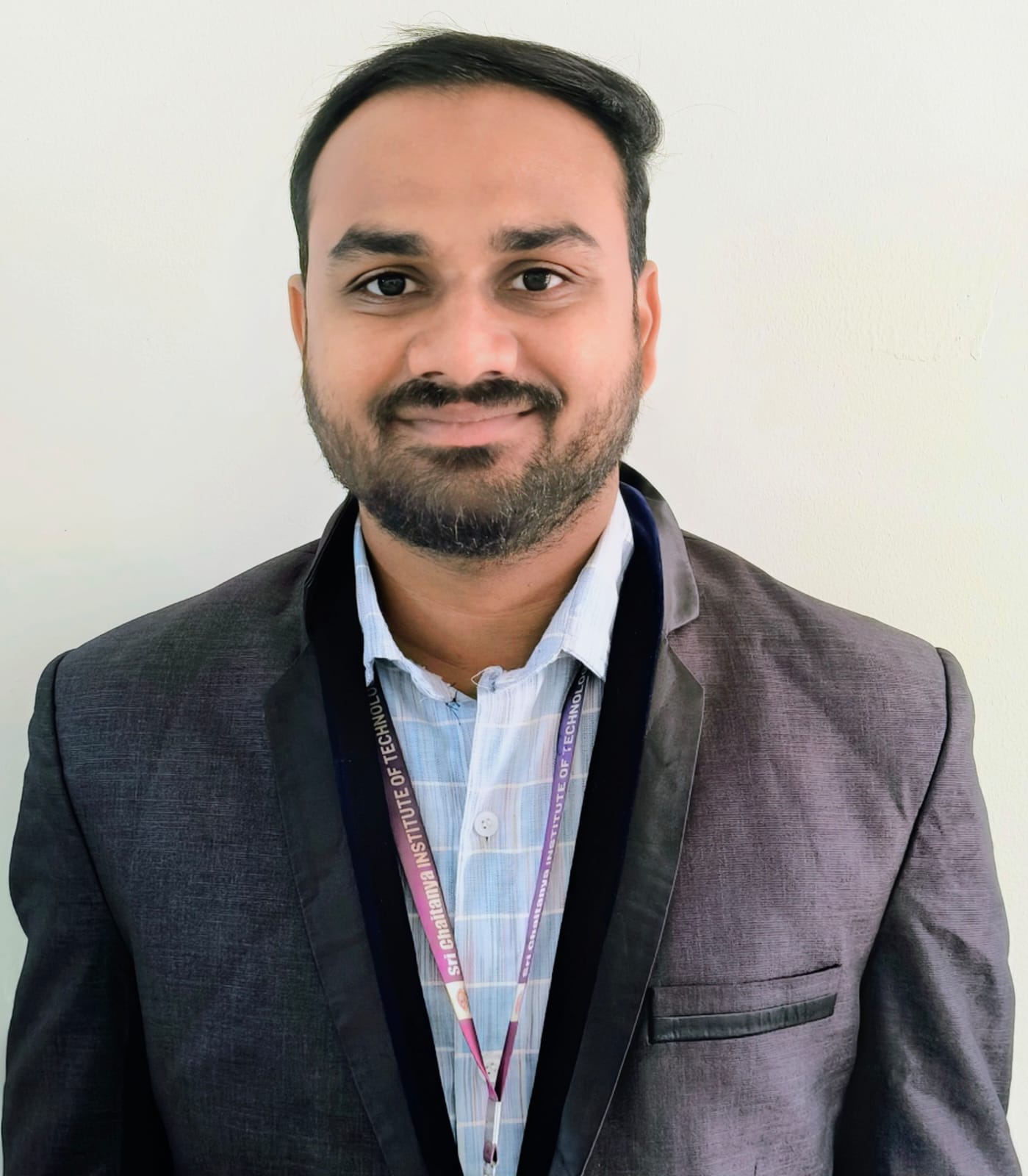
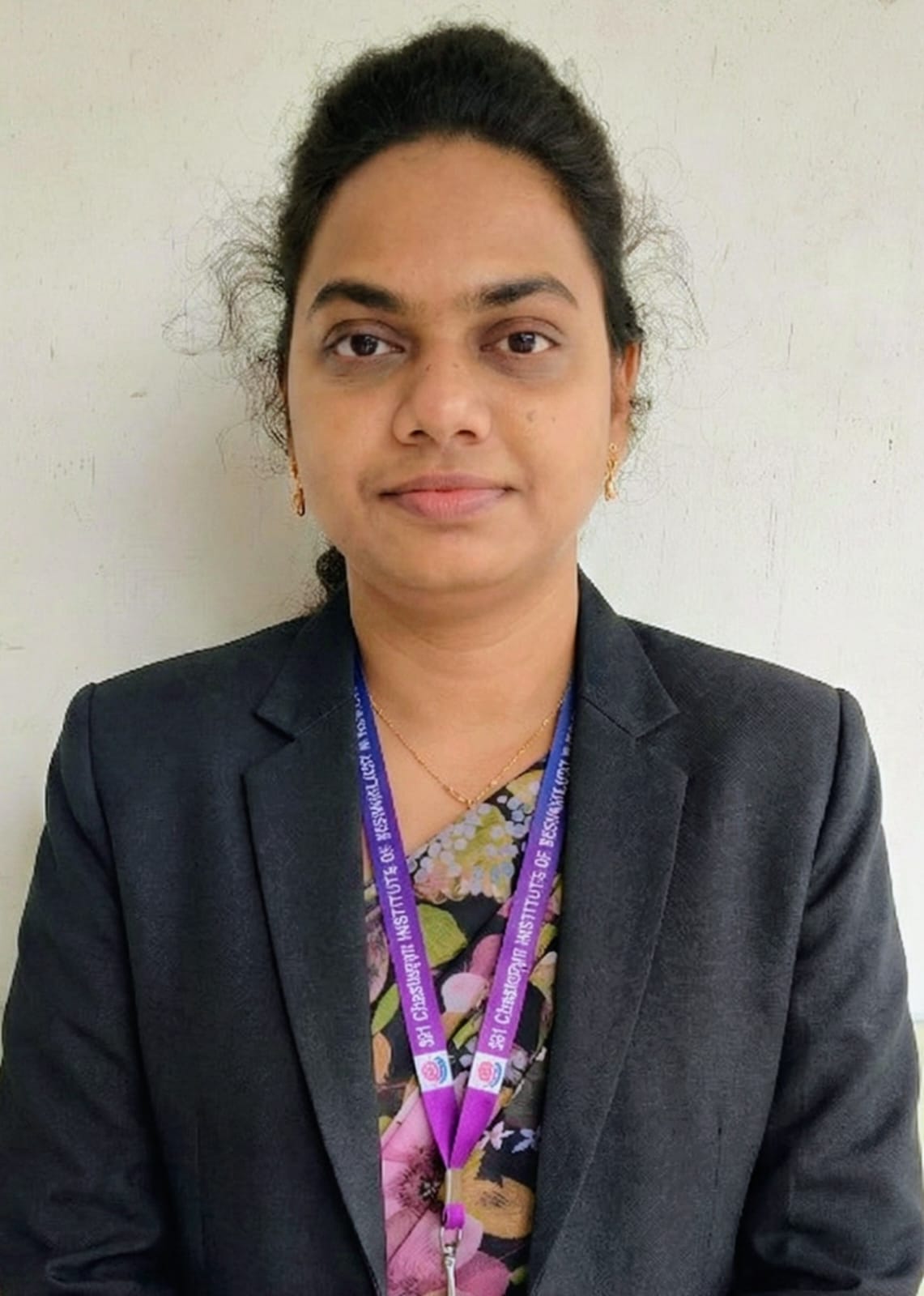
The Department of Civil Engineering is supported by a team of highly qualified, experienced, and dedicated faculty members who are committed to shaping students into competent civil engineers. The faculty strength includes professors, associate professors, and assistant professors with expertise in all major domains of civil engineering.
+1234 567 890
sri@chaitanya.com
HOD & ASST.PROF
+1234 567 890
sri@chaitanya.com
ASST.PROF
+1234 567 890
sri@chaitanya.com
ASST.PROF
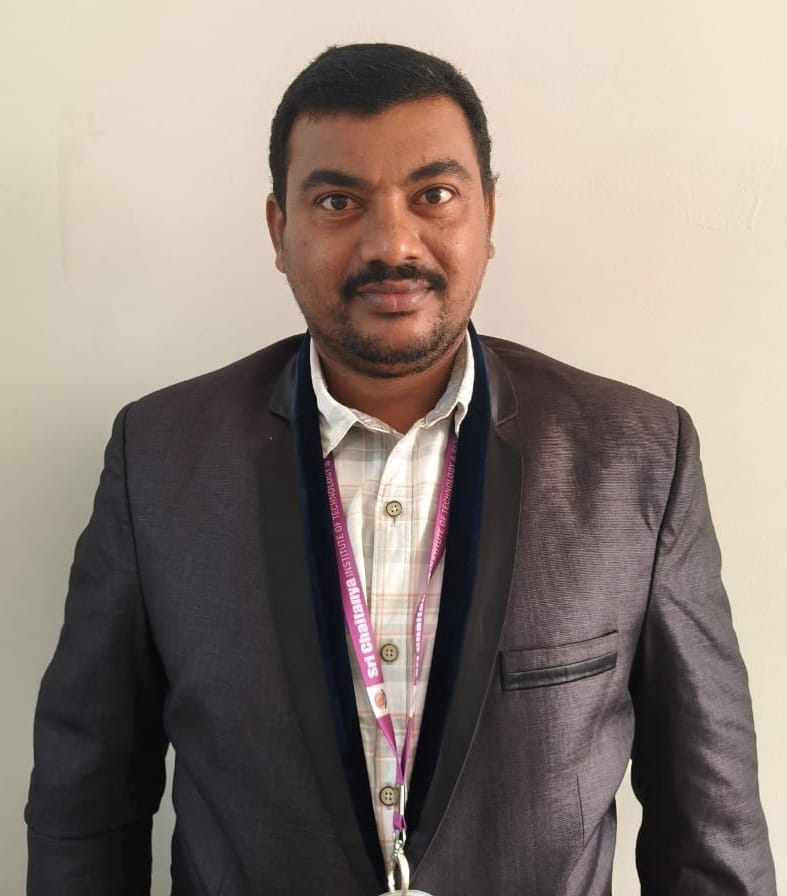
+1234 567 890
sri@chaitanya.com
ASST.PROF

The Civil Engineering department is equipped with state-of-the-art laboratories to provide hands-on experience in structural analysis, geotechnical testing, surveying and material testing. Our well-maintained labs include:
Objectives, Outcomes & Competencies
To produce graduates with strong technical knowledge and analytical skills in Civil Engineering, enabling them to design, develop, and manage infrastructure projects effectively.
To prepare graduates for successful professional careers in government, industry, consultancy, and construction sectors, with competence in modern engineering tools and emerging technologies.
To instill ethical values, teamwork abilities, and a sense of professional and social responsibility for sustainable and environment-friendly engineering practices.
To encourage continuous learning, research aptitude, and adaptability to evolving civil engineering technologies, standards, and global challenges.
To develop innovative thinking, leadership qualities, and project management skills necessary to excel as entrepreneurs, consultants, or leaders in civil engineering organizations.
Apply knowledge of mathematics, science, and civil engineering fundamentals to solve complex engineering problems.
Identify, formulate, and analyze civil engineering problems using research-based methods.
Design safe, sustainable, and cost-effective engineering structures and infrastructure systems that meet societal and environmental needs.
Use research methods, including experiments, analysis, and interpretation of data, to draw valid conclusions.
Use modern engineering software, tools, and equipment for modeling, analysis, and project management.
Apply civil engineering solutions considering legal, health, safety, and societal responsibilities.
Understand the environmental impact of civil engineering projects and implement sustainable construction practices.
Apply professional ethics and follow engineering codes of practice.
Function effectively as an individual, team member, or leader in multidisciplinary teams.
Communicate effectively through reports, drawings, presentations, and documentation with stakeholders.
Apply engineering and management principles to handle projects, estimate costs, manage resources, and make financial decisions.
Recognize the need for continuous learning and engage in professional development, certifications, and research activities.
Ability to analyze, design, and evaluate structural components and systems using modern software tools and engineering principles.
Ability to plan, design, execute, and manage infrastructure projects such as transportation systems, water resources, geotechnical works, and construction processes.
Ability to conduct land surveying using modern instruments, and apply environmental engineering principles to develop sustainable solutions for water, waste, and pollution control.
Ability to apply civil engineering knowledge and practical skills to solve real-world problems through laboratory work, field studies, internships, and industry-oriented projects.